
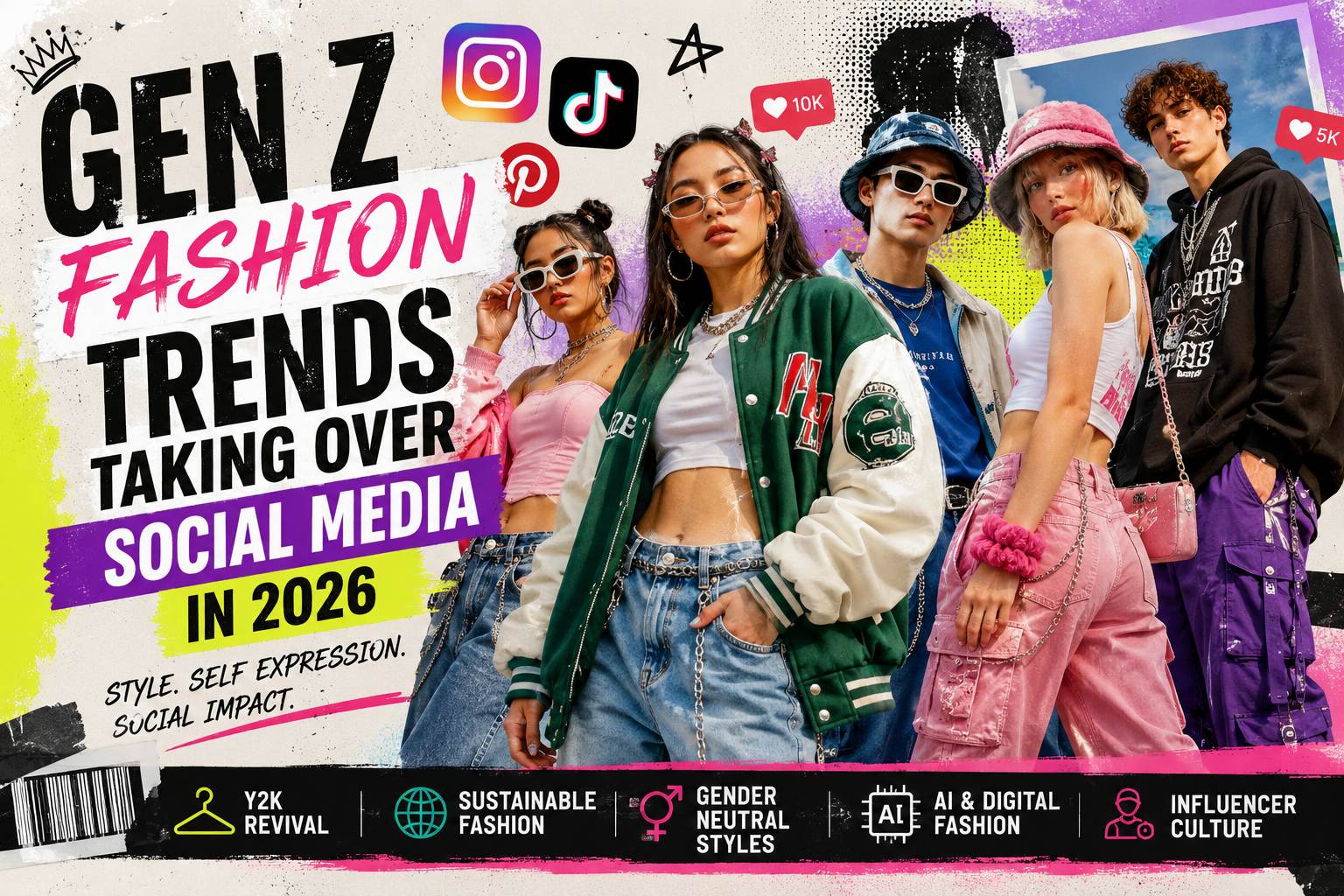
Fashion in 2026 is no longer being defined by luxury runways alone – it is being shaped in real time by Gen Z creators, influencers, short-form videos, and viral social media culture.
Platforms like Instagram, TikTok, and Pinterest have transformed fashion into a fast-moving digital phenomenon where trends can emerge overnight and disappear just as quickly.
For Gen Z, fashion is no longer only about clothing – it is about identity, aesthetics, self-expression, influence, and online visibility.
The Era of “Aesthetic Fashion”
One of the biggest Gen Z fashion shifts is the rise of highly curated aesthetics.
Instead of following one universal trend, young audiences are embracing multiple fashion identities such as:
- Clean Girl Aesthetic
- Y2K Revival
- Streetwear Culture
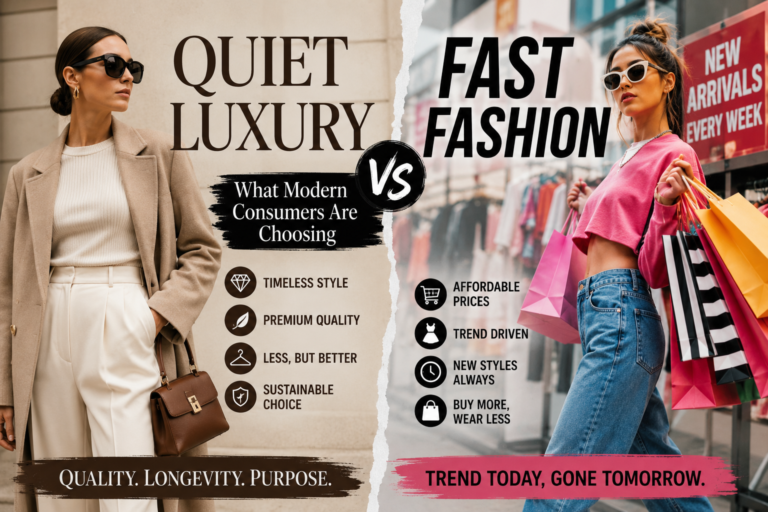
- Quiet Luxury
- Coquette Fashion
- Soft Glam
- Techwear
- Indie Sleaze Revival
- Old Money Style
Social media algorithms continuously push micro-trends, making fashion more personalized than ever before.
Outfits are now often designed not just for real life — but for digital presence and social engagement.
Y2K Fashion Continues Its Comeback
The early 2000s continue to dominate Gen Z fashion in 2026.
Popular Y2K-inspired trends include:
- Baggy jeans
- Metallic fabrics
- Mini skirts
- Oversized sunglasses
- Chunky sneakers
- Crop tops
- Rhinestone accessories
Celebrities, influencers, and fashion creators are reviving nostalgic styles while blending them with modern streetwear and luxury fashion elements.
This trend reflects Gen Z’s fascination with retro culture and visual experimentation.
Streetwear Is Evolving Into Luxury Culture
Streetwear remains one of the most influential fashion movements among Gen Z audiences.
However, the line between casual streetwear and luxury fashion is becoming increasingly blurred.
Oversized silhouettes, cargo pants, sneakers, hoodies, varsity jackets, and gender-neutral styles continue to dominate online fashion culture.
Luxury brands are also collaborating with influencers, gamers, and digital creators to stay relevant among younger consumers.
Fashion today is becoming less formal and more experience-driven.
Sustainable Fashion Is Becoming Cool
Unlike previous generations, Gen Z consumers are showing greater interest in sustainability and ethical shopping.
Young buyers are increasingly supporting:
- Thrift stores
- Vintage fashion
- Local designers
- Eco-friendly brands
- Upcycled clothing
- Slow fashion movements
Many consumers now value transparency, sustainability, and authenticity over traditional luxury branding.
Social media has also exposed the environmental impact of fast fashion, influencing purchasing behavior worldwide.
Gender-Neutral Fashion Gains Momentum
Gen Z is challenging traditional fashion norms more openly than any previous generation.
Unisex collections, fluid silhouettes, oversized fits, and gender-neutral styling are becoming mainstream across social media platforms.
Many young consumers now prioritize comfort, individuality, and freedom of expression over rigid fashion categories.
This cultural shift is influencing both independent designers and global fashion houses.
Fashion Influencers Are Becoming Digital Brands
Social media influencers are no longer simply promoting fashion – they are building fashion businesses themselves.
Many creators are launching:
- Personal clothing labels
- Beauty brands
- Fashion collaborations
- Styling apps
- Creator-led merchandise
Short-form content, outfit reels, “Get Ready With Me” videos, and livestream shopping are driving fashion discovery among younger audiences.
In many cases, influencers now shape trends faster than traditional fashion magazines.
AI and Technology Enter Fashion
Artificial Intelligence is beginning to reshape the fashion industry through:
- AI styling assistants
- Virtual try-ons
- Personalized recommendations
- Digital fashion design
- AI-generated fashion campaigns
Some brands are even experimenting with virtual influencers and digital-only clothing collections designed for online avatars and metaverse environments.
Technology is making fashion more interactive, immersive, and data-driven.
The Influence of Social Media Algorithms
Fashion trends in 2026 are increasingly controlled by algorithms.
What becomes “viral” often depends on:
- Engagement rates
- Influencer reach
- Trending audio
- Visual aesthetics
- Platform algorithms
As a result, fashion cycles are becoming shorter and more intense than ever before.
A trend that dominates social media for a few weeks can quickly disappear as new aesthetics emerge.
The Business Behind Gen Z Fashion
Gen Z’s purchasing power is rapidly growing, making them one of the most influential consumer groups globally.
Brands are heavily investing in:
- Influencer marketing
- Creator collaborations
- Social commerce
- Personalized shopping experiences
- Mobile-first fashion campaigns
Fashion is no longer just retail – it has become entertainment, identity, and digital culture combined.
Perispective
Gen Z fashion trends reveal something deeper than changing clothing styles – they reflect how an entire generation communicates identity in the digital age.
Fashion today is driven less by traditional fashion authorities and more by algorithms, creators, communities, and cultural moments happening online in real time.
At the same time, the rise of sustainable fashion, gender-fluid expression, and digital creativity suggests that younger generations are redefining what fashion truly represents.
Because in 2026, fashion is no longer just about what people wear – it is about how they are seen, shared, and remembered online.
About The Author